
Male Infertility: Causes, Testing, and Treatment Options
Male infertility contributes to around 30% of infertility cases in Canada, yet it is often overlooked in early fertility discussions. Understanding male infertility, its causes, testing process, and treatment options, is an important step for couples trying to conceive.
One of the most important tools in diagnosing male infertility is a semen analysis, a simple test that provides valuable insight into sperm health and reproductive potential.
What Is Male Infertility?
Male infertility refers to any condition that reduces a man’s ability to cause pregnancy. It may involve:
- Low sperm count
- Poor sperm motility (movement)
- Abnormal sperm morphology (shape)
- Blockages that prevent sperm delivery
- Hormonal imbalances
Because sperm production takes approximately 70–90 days, changes in health or lifestyle can affect fertility several months later.
Causes of Male Infertility
Sperm Disorders
For pregnancy to occur, sperm must be produced in adequate numbers and be healthy enough to travel (“swim”) to the egg. When there are problems with sperm concentration, movement (motility), or shape (morphology), achieving pregnancy can become more difficult, even if the female partner is fertile. One of the most common sperm-related conditions is oligospermia, or low sperm count.
Hormonal Imbalances
Male fertility depends on a precise balance of reproductive hormones. When hormone levels are disrupted, sperm production can decline, sperm movement may be impaired, and sperm shape can be affected. These hormonal disruptions can significantly contribute to infertility.
Hypogonadotropic Hypogonadism (HH)
Hypogonadotropic hypogonadism is a condition in which the testes produce little to no sex hormones due to inadequate hormonal signaling from the brain. Without proper stimulation, sperm production may be reduced or absent.
Vasectomy
A vasectomy is a form of permanent male birth control that involves cutting or sealing the vas deferens, the tubes that carry sperm into semen. If a patient later decides to pursue pregnancy, fertility treatment or surgical intervention may be required to restore the ability to conceive.
Varicocele
A varicocele occurs when veins within the scrotum become enlarged. This condition can interfere with sperm production and quality, sometimes leading to reduced sperm count or abnormal sperm shape. In some cases, varicoceles may also cause discomfort or pain.
Severe Male Fertility Abnormalities
Certain conditions can significantly impair sperm production or delivery. These may include:
- Azoospermia, meaning no sperm are present in the ejaculate
- Structural abnormalities of the reproductive tract
- Genetic conditions such as Klinefelter syndrome, a chromosomal disorder in which a male is born with an extra X chromosome
These diagnoses often require specialized evaluation and advanced treatment options.
Infections
Infections affecting the male reproductive system, including sexually transmitted infections or inflammation of the testes and surrounding structures, can disrupt sperm production or function and negatively impact fertility.
Lifestyle Factors
Beyond medical conditions, lifestyle habits can influence male fertility. Contributing factors may include:
- Obesity
- Poor diet
- Smoking or vaping
- Excessive alcohol use
- Recreational drug use
- Frequent exposure to heat (e.g., hot tubs)
- Tight-fitting clothing
- Environmental toxins or radiation
While lifestyle-related fertility issues are sometimes reversible, early intervention can improve outcomes.
In some cases, despite thorough evaluation, the exact cause of male infertility may remain unexplained. Fortunately, even when a specific cause cannot be identified, effective treatment options are still available.
Signs of Male Infertility
Male infertility often presents with few obvious symptoms aside from difficulty conceiving. Many men only discover a fertility issue after undergoing formal testing.
Although male fertility does not decline as sharply as female fertility, age can still play a role. After age 40, men may produce lower levels of testosterone and fewer sperm. Sperm quality may also decline, and higher levels of DNA fragmentation can increase the risk of miscarriage.
That said, certain physical signs may indicate an underlying fertility concern. These can include:
- Enlargement of breast tissue
- Decreased facial or body hair
- Erectile dysfunction
- Difficulty with ejaculation
- Noticeable changes in semen color, consistency, or volume
- Testicular changes, such as small size, firmness, swelling, tenderness, or pain
If you are experiencing any of these symptoms or have been unable to conceive, scheduling a consultation with a fertility specialist is recommended. A comprehensive evaluation, including a semen analysis, provides the most accurate insight into reproductive health and the next best steps forward.
Common Myths About Male Infertility
“Men don’t have a biological clock.”
While men produce sperm throughout life, sperm quality gradually declines with age, particularly after 40. Male infertility risk increases over time.
“Frequent ejaculation lowers fertility.”
Regular ejaculation does not permanently reduce sperm production. In fact, long periods of abstinence may negatively impact sperm quality.
“If we’ve had a child before, male infertility isn’t possible.”
Secondary male infertility can occur. Sperm quality can change due to age, illness, lifestyle, or medical conditions.
“Infertility is mostly a woman’s issue.”
Male and female factors contribute almost equally to infertility cases. A comprehensive fertility evaluation should include both partners.
Semen Analysis: The First Step in Male Fertility Testing
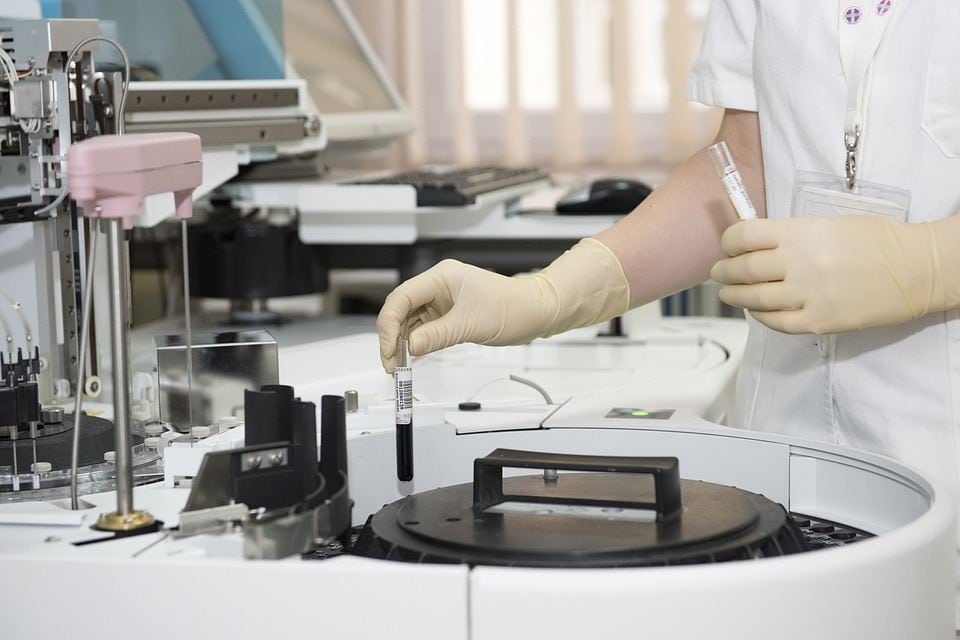
A semen analysis evaluates:
- Sperm concentration
- Motility
- Morphology
- Semen volume
This test is non-invasive and often the first step in male fertility testing. In some cases, repeat testing is recommended to confirm results.
It’s important to understand that while semen analysis provides critical information, additional evaluation, including hormonal testing or imaging, may be needed depending on results.
Take the First Step
Male infertility is common, diagnosable, and often treatable. A simple semen analysis can provide important answers and help guide the next steps in your fertility journey. If you are concerned about male infertility or are ready to begin male fertility testing, get a referral from your doctor and meet with one of our trusted fertility specialists.
Related Posts

Categories
About the PCRM Blog
Welcome to the Pacific Fertility Centre for Reproductive Medicine Blog! Nationally and internationally recognized for providing exceptional reproductive care, our team believes in empowering people with the knowledge they need to navigate their unique fertility journeys.
From information on the latest fertility treatments to valuable insights on egg donation, surrogacy, and everything in between, the Pacific Centre for Reproductive Medicine Blog is your ultimate resource for all things reproductive care and support. Read on to learn more, and contact us today if you have any questions or want to schedule a new patient appointment.